

How Distribution Centers Use High-Density Concrete Floors for Winter Load Cycles
January 6, 2026
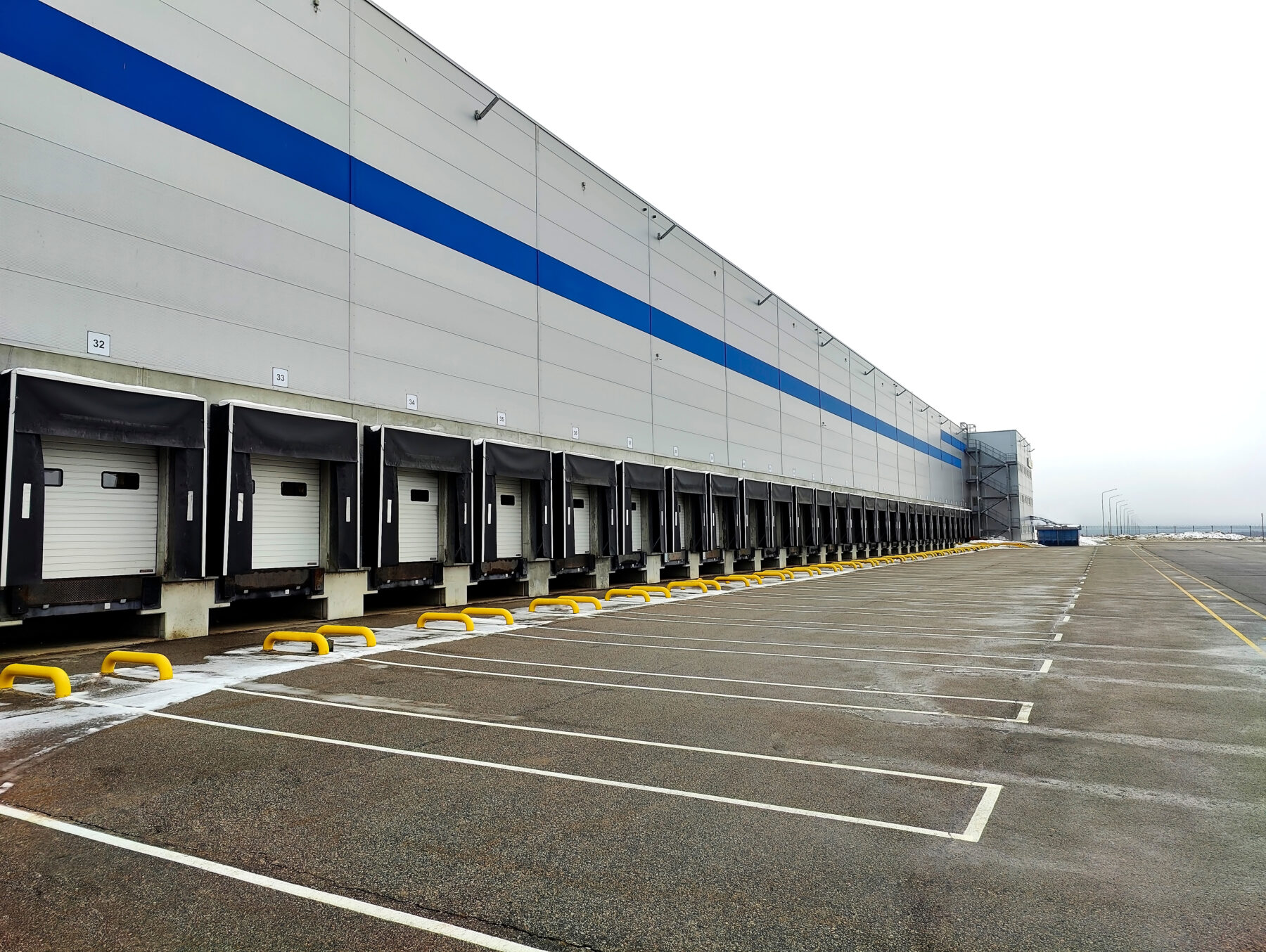
Distribution centers are built to move weight efficiently, even as winter introduces heavier inventory levels, tighter shipping windows, and constant equipment traffic. During colder months, floor systems absorb repeated load cycles that test structural consistency beneath every aisle and dock lane. High-density concrete floors are engineered to carry this demand, creating a stable surface that supports operations when seasonal pressure is at its highest. The effectiveness of these floors begins long before forklifts ever roll across them.
Designing Floors Around Winter Load Demands
Winter load cycles place unique stresses on distribution floors because static storage and dynamic movement increase at the same time. Pallet racking holds greater weight for longer durations while material handling equipment follows predictable but intense traffic patterns. High-density concrete floors are designed with these realities in mind, using slab thickness, reinforcement placement, and joint layout to distribute force evenly across the surface.
As temperatures fluctuate, internal stresses move through the slab even in climate-controlled facilities. Properly engineered high-density concrete limits deflection under concentrated loads, helping maintain floor flatness through peak winter operations. This consistency supports accurate racking alignment and keeps equipment travel smooth throughout extended shifts.
Aggregate Selection and Mix Density That Supports
The strength of high-density concrete floors is driven by aggregate quality and mix design. Well-graded, dense aggregates reduce internal void space, allowing the slab to carry higher loads while limiting pathways for moisture. During winter, this tighter internal structure helps manage snow and ice tracked into the facility, preventing surface deterioration over time.
Cement content and supplementary materials are balanced to achieve high compressive strength without sacrificing placement efficiency. These mixes are designed to reach density targets that resist abrasion from forklift tires and pallet movement. The result is a floor surface that maintains structural integrity across thousands of winter load cycles while supporting continuous warehouse activity.
Placement Practices That Preserve Slab Integrity
Achieving a high-density concrete floor requires controlled placement techniques that ensure uniform consolidation. Concrete is placed to minimize segregation, allowing aggregates to lock together and create a continuous load-bearing surface. During cold weather construction, temperature management and curing practices protect early strength development and support long-term durability.
Finishing focuses on preserving surface density while achieving the flatness required for distribution environments. Proper finishing methods reduce surface paste disruption, helping the floor resist wear from repetitive traffic. This approach supports efficient equipment movement while extending the service life of the slab.
Joint Design and Reinforcement for Seasonal Stability
Even well-insulated facilities experience subtle thermal movement during winter months. High-density concrete floors are designed to manage this movement through strategic joint spacing and reinforcement placement. These elements allow the slab to respond to temperature changes without transferring stress into high-traffic zones.
Reinforcement supports load transfer across joints, maintaining surface continuity under heavy wheel loads. This stability is especially important in aisle intersections and dock approaches where traffic concentrates. Over time, these design strategies preserve floor performance and reduce maintenance demands during peak operational periods.
Operational Value Beyond the Winter Season
High-density concrete floors deliver value that extends beyond immediate winter performance. Their durability reduces surface repairs and minimizes downtime during periods when throughput is critical. This reliability supports consistent logistics planning and protects equipment from uneven surfaces that can increase wear.
As distribution centers evolve, these floors continue to support changing load profiles and equipment upgrades. Strong mix design and proper installation provide flexibility for future reconfiguration without structural modification. The floor becomes a long-term asset that adapts alongside operational growth.
For distribution facilities planning new construction or upgrades, working with experienced concrete and aggregate suppliers ensures access to mixes engineered for high-density performance. A well-executed concrete floor creates a dependable foundation that keeps distribution centers moving efficiently through winter and beyond.