

What to Look for When Ordering Gravel, Sand, or Concrete in the Summer Months
June 4, 2026
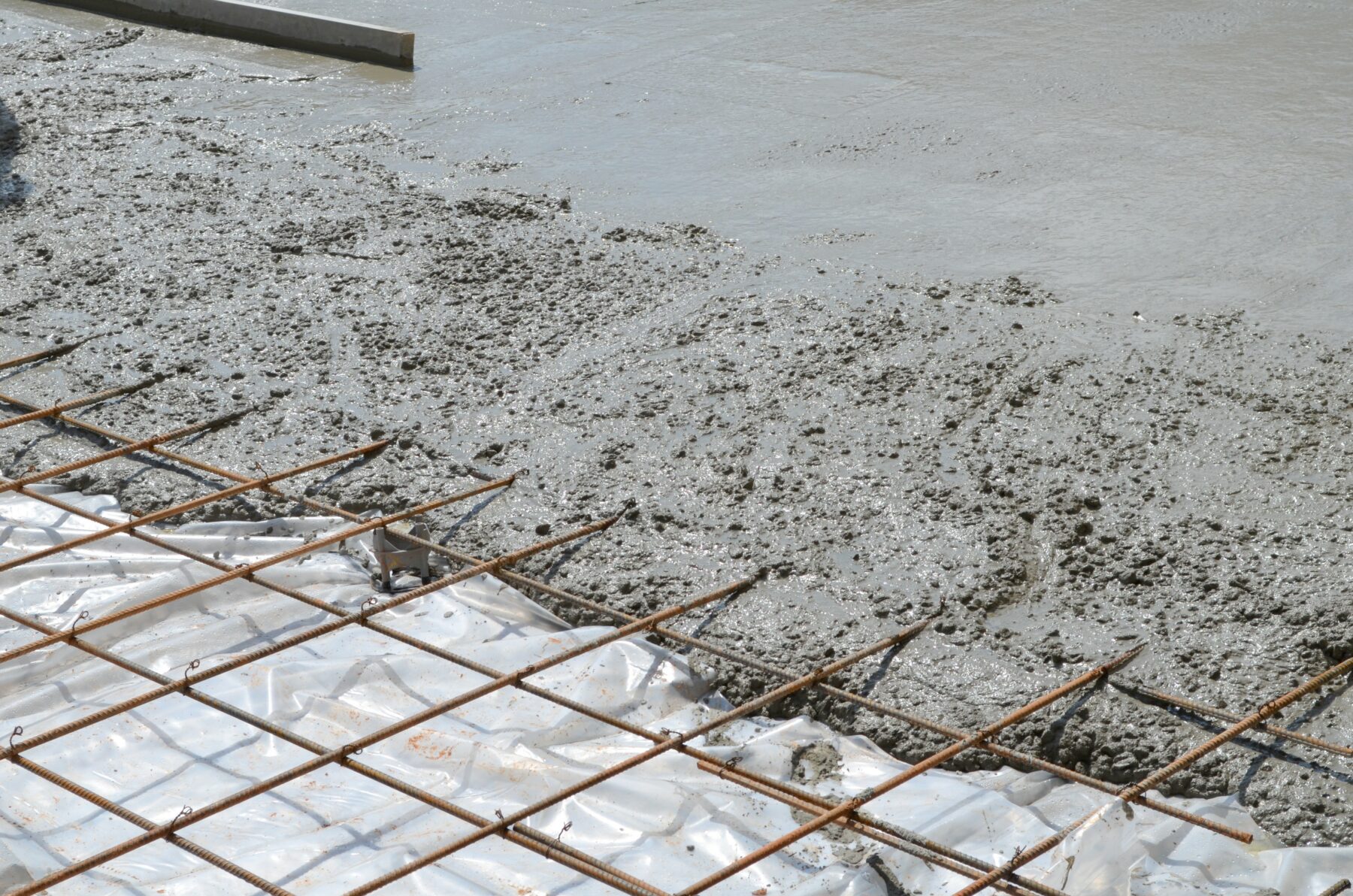
Summer temperatures often affect moisture content and shorten placement windows, which can influence what to order and how to receive materials on-site. Knowing what to watch for before delivery keeps a summer pour or aggregate placement moving on its intended schedule.
Heat, Hydration, and the Ready Mix Window
Cement hydration accelerates as ambient temperatures climb, which pulls forward the initial set on most ready mix designs. A mix that holds workable for ninety minutes in spring may stiffen in sixty during a July afternoon, so coordinate batching, dispatch, and discharge inside that shrinking window. Ordering with a slightly lower slump up front causes problems; the better path is a mid-range slump paired with a retarder or hydration stabilizer suited to the day’s forecast.
Aggregate temperature also pushes the concrete’s internal temperature higher before water even enters the drum. Stockpiles that bake under direct sun feed warmer rock into the mix, which raises the curve further. A morning pour, or a load batched from shaded or sprinkled stockpiles, brings the internal temperature back into a range that keeps strength gain consistent through the first twenty four hours.
Moisture Behavior in Sand and Aggregates
Sand carries water differently in dry summer air than during the wet season. A pile that read at six percent surface moisture in April may read at three percent in late July, which changes the actual water demand of any mix that pulls from it. Plants adjust batch water on the fly, though jobsite mixing and small masonry placements still need a current moisture reading before proportions are locked in.
Crushed rock and pea gravel behave similarly. Pieces that have sat in open stockpiles through a heat wave will draw water out of any wet mix they touch, leaving the paste short and reducing finished surface tightness. Asking the supplier for a recent moisture number, or scheduling delivery early in the week before extended heat hits the yard, lessens the surprise once the rock lands in the form or under a slab.
Placement Temperatures and Surface Prep
Slab surface temperature drives how fast the top of a pour loses water. Concrete placed on a sun-heated subgrade or formwork can lose enough surface moisture in the first hour to crack before final finishing, even with sound finishing technique. Wetting the subgrade ahead of placement and shading the slab edge during early morning or evening pours keeps that surface in balance with the body of the slab.
On asphalt jobs, the same heat plays out in a different way. Mat temperature and lift thickness, along with the compaction window, all shift when subgrade temperatures pass eighty five degrees, which is common in valley summers from late June through early September. Confirming the haul distance and the rolling pattern with the asphalt provider before paving day prevents soft spots and density shortfalls in the finished lift.
Delivery Timing and Stockpile Logistics
Plant queues run heavier in July and August across the Eugene and Salem corridor, with paving crews, ready mix pours, aggregate hauls, and small construction service rigs all competing for the same dispatch hours. Booking ten to fourteen days ahead for ready mix, and seven to ten days ahead for bulk aggregate, gives the plant room to batch around the day’s temperature and traffic. Day-of-orders remain possible, though the placement window tightens once the trucks finally roll.
Bulk gravel and sand that will sit at a site for several days will benefit from a shaded or tarp-covered staging area. A south-facing pile loses surface moisture quickly, leading to dust at handling and dry spots in any mix that draws from it. Spraying the stockpile lightly each morning, or staging it on the north side of a building or hedgerow, keeps the material in the range the supplier delivered it at.
Spec Sheets and Field Communication
Mix design sheets read differently in summer than in spring. Air content targets shift while water reducer dosages climb, and retarder amounts get tied to expected ambient temperature at placement. Reviewing the ticket against the spec sheet at the truck rather than after the pour catches any mismatch while the load can still be adjusted on the chute.
Between dispatcher and site, summer pours benefit from a short call on the morning of the placement that confirms pour location, access point, and on-site contact. Time on the chute pushes the internal temperature of any load that waits, so unloading promptly keeps the placement consistent from first yard to last.
Summer in the Willamette Valley calls for tighter coordination between the plant and the placement crew, and that coordination starts with the supplier. RiverBend Materials supports projects across the Eugene and Salem area with ready mix concrete, aggregates, asphalt, and construction services tuned to local conditions. Reach out before the next summer pour to lock in mix design, delivery windows, and stockpile timing that match the season ahead.