

How Sand and Aggregate Quality Impact Concrete Strength and Long-Term Durability
July 16, 2026
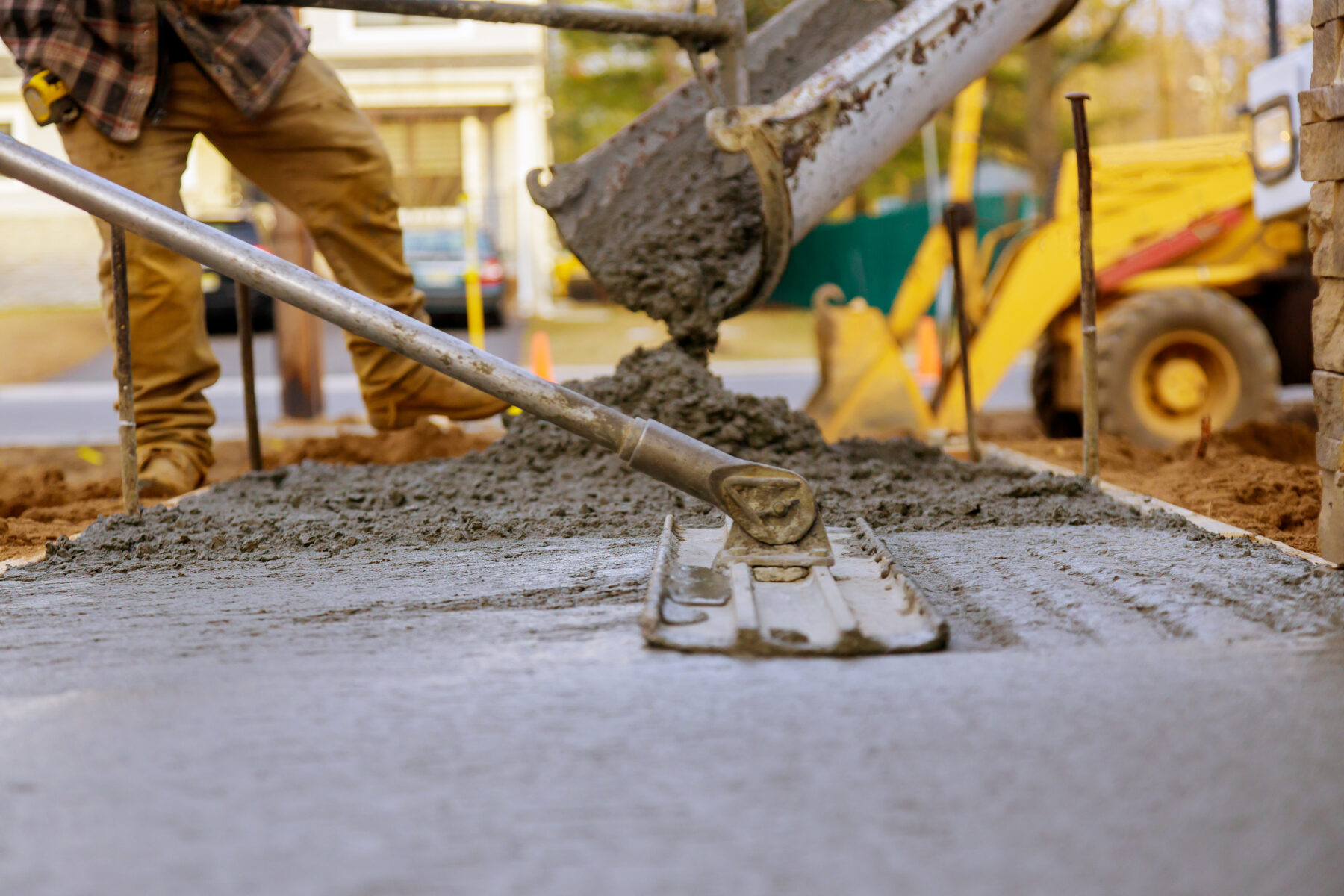
Sand and aggregate make up most of a concrete mix, so their quality plays a major role in how the slab performs over time. Particle shape, gradation, surface texture, and cleanliness all affect strength, crack resistance, and long-term durability. Using consistent, well-processed material helps reduce variability from placement through the life of the concrete.
What Aggregate Shape and Surface Texture Do to the Mix
Angular aggregate, produced through crushing, creates a mechanical interlock between particles that rounded river gravel cannot replicate at equivalent paste volumes. That interlocking structure limits lateral movement within the matrix and supports higher compressive capacity without relying solely on paste content to carry load. Rounded aggregates reduce internal friction and improve workability, making them a practical choice where placement conditions demand easier flow without sacrificing structural density.
Beyond particle shape, surface texture carries influence that gradation data alone won’t capture. Rough-textured particles create more surface area for paste to grip, which strengthens the transition zone between aggregate and cement paste, the layer where tensile failure most commonly initiates. Smooth-surfaced material carries less bond capacity at that interface, so mix designs using predominantly smooth aggregate typically require adjusted paste ratios to compensate.
How Gradation Shapes Internal Structure
Particle size distribution across the full aggregate blend determines how efficiently void space collapses within the mix. A well-graded blend, one where particles span from coarse fractions down through fine sand, packs tighter, reduces the paste volume needed to fill gaps, and lowers total shrinkage potential as the concrete cures. That reduction in paste demand limits the free water available to evaporate, which controls bleed water migration to the slab face and tightens surface density.
Poorly graded material, or blends with gaps in the size distribution, leave larger void pockets that paste must fill. Higher paste volumes increase shrinkage stress during curing and raise water-to-cement ratio requirements, creating bleed channels that compromise slab surface density. The correction isn’t always more cement; it’s examining the gradation of the aggregate blend and closing those gaps before batching begins.
Sand Selection and Paste Economy
Water demand in a concrete mix shifts meaningfully based on sand gradation. Sand with a higher fineness modulus, meaning a coarser average particle distribution, reduces the surface area that paste must coat, lowering the water needed to reach the same consistency. That lower water demand translates directly into tighter paste chemistry and reduced shrinkage stress, supporting better slab surface density after cure.
Very fine sand gradations carry the opposite effect. Finer particles increase specific surface area, pulling more water into the mix to maintain workable consistency, which raises the water-to-cement ratio and reduces compressive strength at any given cement content. Concrete batched with fine sand against high water demand can meet placement targets while still showing greater porosity and surface wear sensitivity after cure, characteristics that surface months into the slab’s service, not on the day of the pour.
Material Cleanliness and Its Effect on Hydration
Aggregate cleanliness affects hydration chemistry in ways that don’t show up until after the pour. Clay coatings on aggregate particles create a barrier between cement paste and the aggregate surface, weakening bond strength at the transition zone. Organic material retards set time unpredictably and extends bleed water periods, introducing compressive variability across a single pour.
That baseline, established through consistent washing and screening, keeps water-to-cement ratio and admixture dosing working as intended rather than adjusting for unpredictable base material. Material processed to established cleanliness standards arrives at the batch plant with deleterious fines already controlled by weight, which sets the conditions for mix design precision to hold from batching through cure.
RiverBend Materials sources aggregate from six sand and gravel operations and two hard rock quarries across the Willamette Valley, covering the full range of structural and mix design requirements. Four NRMCA-certified ready-mix plants put that material into precisely batched concrete, from standard structural pours to specialty mixes including fiber-reinforced and pervious designs. Reach out to the team to discuss aggregate specifications and mix options for the next project.