

How to Prep and Store Bagged Concrete for Winter DIY Projects
December 3, 2025
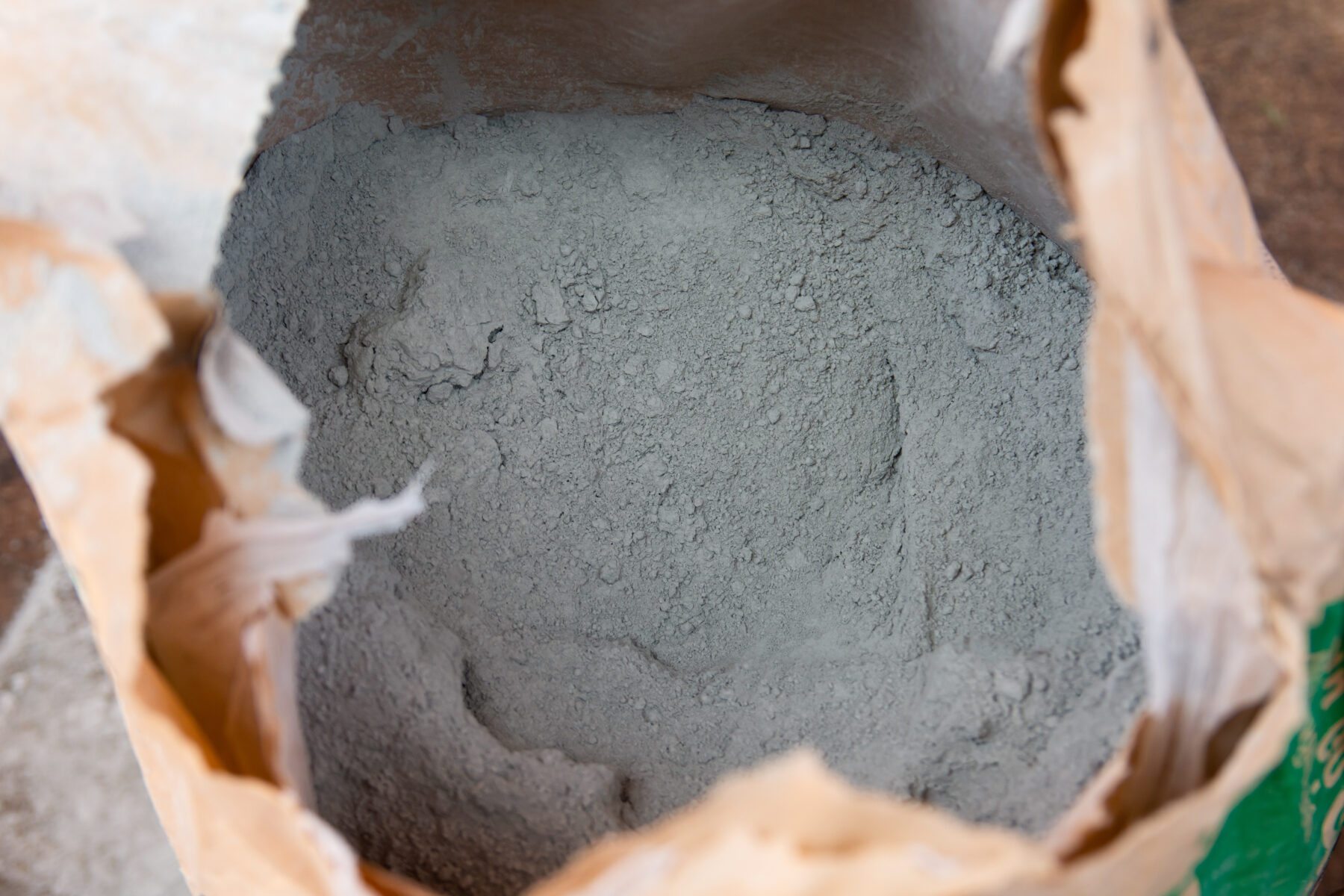
For many DIY builders, winter becomes a time to organize materials, outline upcoming work, and prepare supplies for the first signs of spring. Bagged concrete, in particular, requires a bit of attention during colder months to preserve its integrity. With proper handling and storage, every mix remains ready for consistent performance when the weather warms and construction resumes.
Protecting Material Integrity from Moisture
Bagged concrete is highly sensitive to moisture, even in the air. Each bag contains cement that reacts immediately with water, meaning a single exposure to damp conditions can initiate the hydration process before mixing ever begins. To prevent this, storage spaces should remain dry, sealed, and elevated from concrete floors or bare ground where condensation can collect. Wooden pallets, shelving, or moisture-resistant mats provide a simple buffer that safeguards each bag from contact with damp surfaces.
If materials must be stored in areas without climate control, layering becomes essential. Tightly sealed plastic sheeting or heavy-duty tarps create a barrier against humidity while still allowing ventilation to prevent condensation from building underneath. In regions with high winter humidity, an additional layer of shrink wrap or sealed storage bins adds protection against gradual moisture seepage. The goal is to ensure that each bag remains dry to the touch and free from clumping, guaranteeing predictable results when mixed.
Managing Temperature and Air Circulation
Cold air alone doesn’t damage dry mix, but fluctuating temperatures can create micro condensation within unsealed storage areas. When warm indoor air meets a cold surface, moisture can form, even inside an unopened bag. Maintaining a consistent temperature helps avoid this problem. A garage or shed that stays slightly above freezing is typically ideal. Air circulation is equally important; small fans or vented areas keep humidity from lingering, reducing the chance of moisture settling into the product over time.
For those who plan to mix small batches during mild winter days, storing concrete near the working area but in a protected enclosure simplifies access. The key is to prevent repeated exposure to outdoor air and then rapid reheating, which increases condensation risk. A stable environment keeps the mix powdery and workable, ensuring it blends properly when water is introduced.
Preparing for Early Spring Projects
Winter also presents an opportunity to organize materials for the first projects of the new year. Sorting bagged concrete by type and labeling them clearly saves time when work begins again. Fast-setting, high-strength, and general-purpose mixes should each be stored separately to avoid confusion and ensure the right material is used for each application. Taking inventory now also makes it easier to determine what needs replenishing before the next construction season begins.
Inspecting packaging throughout the season helps maintain quality control. Any bags showing hardened clumps, discoloration, or a chalky residue likely absorbed moisture and should be replaced. Damaged bags can be rewrapped in sealed plastic and used first, but only if the mix remains loose and uncompromised. Keeping records of purchase dates also helps prioritize older stock, so nothing goes to waste.
A consistent storage plan transforms winter downtime into preparation for a productive building season. By controlling moisture, stabilizing temperature, and maintaining an organized inventory, bagged concrete remains just as reliable months later as the day it was purchased. Each measure taken through the colder months protects mix integrity, ensuring predictable strength, workability, and finish quality once it’s time to pour. Through this thoughtful approach, winter becomes more than an off-season, it becomes the foundation for seamless spring projects and consistent, dependable results.