

The Future of Concrete: Innovations in Aggregate Recycling
September 30, 2025
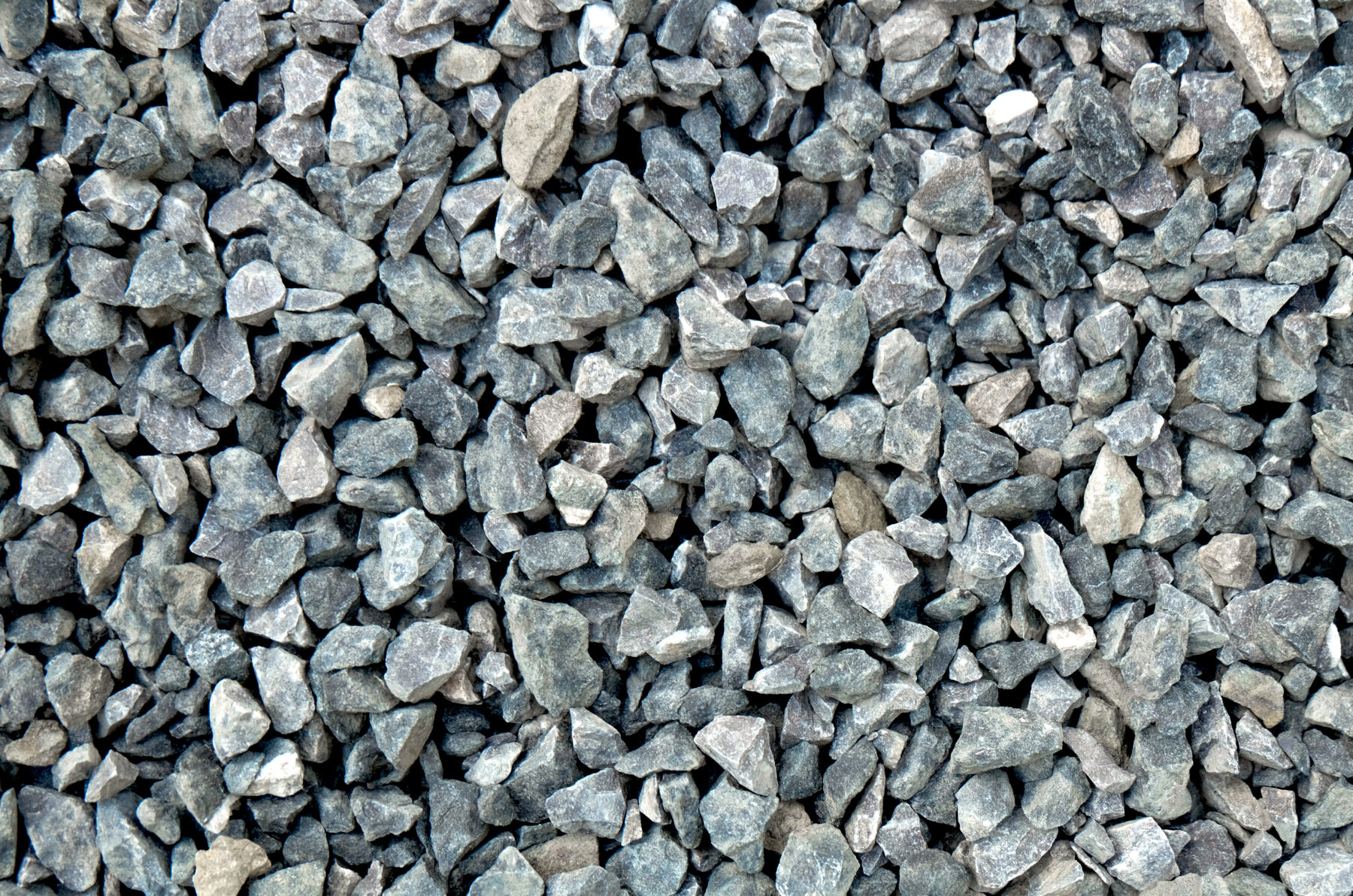
Concrete stands as one of the most widely used building materials in the world, supporting the growth of cities, infrastructure, and modern architecture. With demand continuing to rise, the industry has turned toward solutions that preserve resources while maintaining the strength and reliability that construction projects require. Aggregate recycling has quickly become central to this shift, offering a way to reuse existing materials and integrate them back into concrete production. This approach is shaping a more efficient and sustainable future for the built environment.
Advancing Processing Technologies
The success of aggregate recycling lies in the sophistication of today’s processing systems. Reclaimed concrete is collected and crushed, then carefully screened to achieve the right gradation of particle sizes. Washing systems remove residual cement paste and fines, producing a cleaner aggregate. Magnetic separation pulls out reinforcing steel, ensuring consistency and quality. Each step of the process enhances the performance of recycled concrete aggregates (RCA), positioning them as viable for mixes that once relied solely on natural stone. This evolution in processing has opened new opportunities for recycled materials to enter mainstream construction with confidence.
Strength Through Smarter Mixes
Advances in processing naturally lead to advances in mix design. Producers now blend RCA with natural aggregates to create concrete that not only achieves the desired compressive strength but also delivers durability over time. Modern admixtures further refine the results, improving workability, managing water absorption, and maintaining predictable curing. These innovations allow recycled aggregates to meet demanding performance standards, proving that resource efficiency can be achieved without compromise. The ability to engineer mixes with precision is what makes recycled concrete a dependable choice for everything from commercial slabs to structural foundations.
Building With Environmental Efficiency
The impact extends far beyond structural performance. Every ton of recycled aggregate used reduces the need for quarrying and conserves valuable natural resources. The reduction in landfill waste is equally meaningful, as demolished concrete becomes a resource instead of an endpoint. This circular approach lessens the carbon footprint of construction, aligning projects with sustainability benchmarks and green building certifications. As environmental performance becomes a priority in both public and private development, the use of RCA provides a measurable way for projects to demonstrate responsibility while benefiting from reliable materials.
Expanding Applications Across Projects
This combination of quality and environmental efficiency has paved the way for RCA to be adopted across a wide spectrum of applications. Municipalities are incorporating recycled aggregates into sidewalks, curbs, and stormwater systems, recognizing their role in cost-effective, sustainable infrastructure. Commercial projects are using RCA in slabs-on-grade, parking structures, and even precast elements, where consistent quality is essential. Each successful application validates the performance of recycled aggregates and encourages broader adoption across industries. What began as a solution for base layers and fill has grown into a reliable option for concrete mixes in high-value projects.
The momentum behind aggregate recycling points toward a construction industry built on circular principles. As processing technologies advance and mix designs continue to improve, the percentage of recycled content in concrete is expected to rise steadily. This shift reduces reliance on virgin aggregates while maximizing the use of materials already in circulation. The vision for the future is clear: concrete that combines proven strength with forward-looking efficiency, ensuring the industry continues to build with both performance and responsibility in mind. With aggregate recycling at the center of this transformation, the path ahead is one of innovation, sustainability, and enduring progress.