

Why Concrete Washout Management Matters on Every Construction Project
August 1, 2026
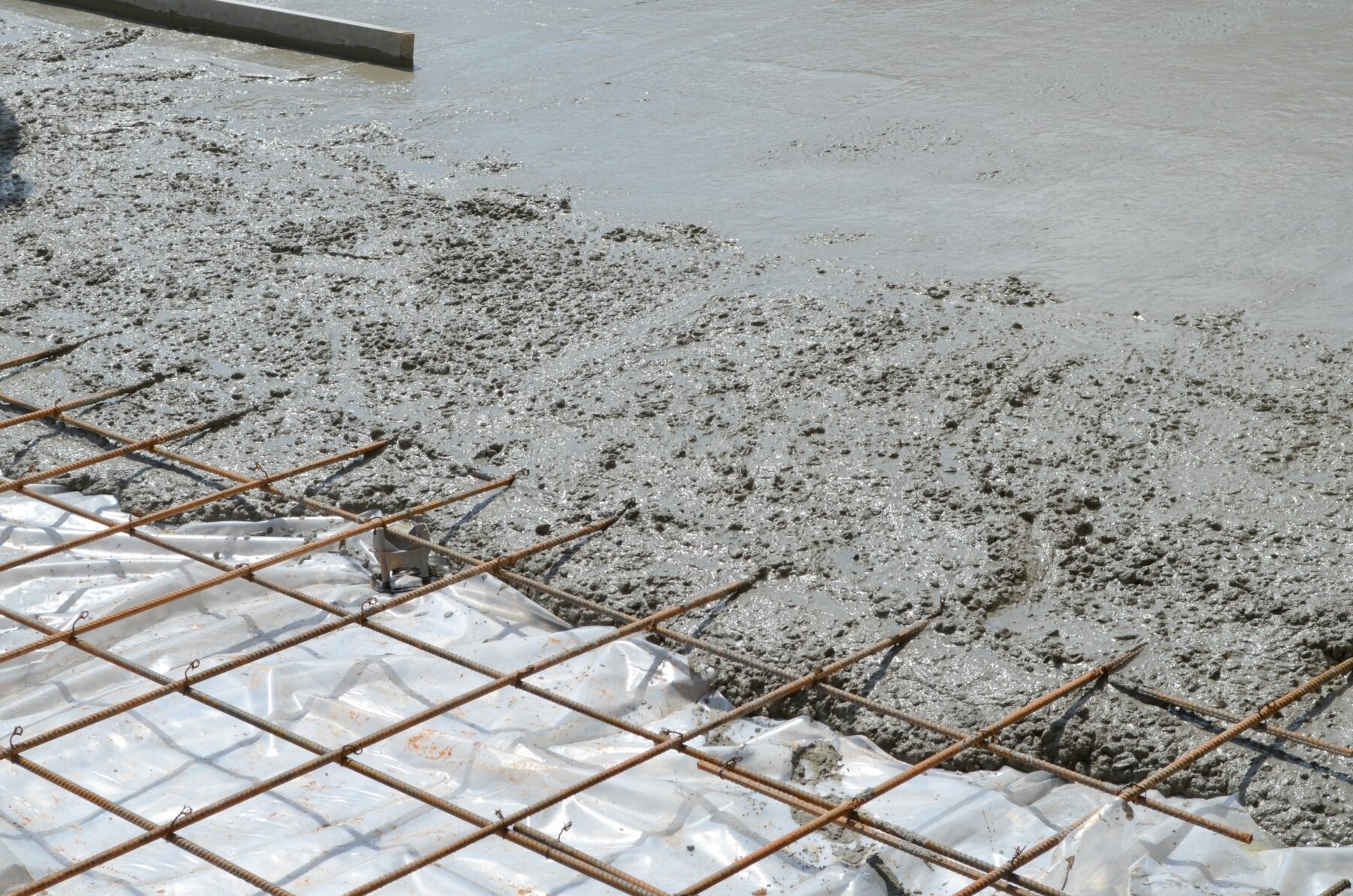
Concrete washout is part of almost every pour, but handling it correctly takes planning before the truck ever reaches the site. On jobs across the Willamette Valley, the right setup depends on where the wash water will go, how the site is laid out, and what kind of containment is already in place. When that decision gets made early, crews can keep the pour moving without creating runoff, compliance, or cleanup problems afterward.
What Makes Concrete Washout Water Hazardous
Cement hydration is what gives fresh concrete its alkalinity, and that chemistry rinses straight into wash water the moment a chute or drum gets hosed down. Water in that state typically tests between pH 10 and 12, a range close enough to household bleach to burn plant roots, irritate skin, and kill fish if it reaches a ditch or stream. A single five-yard load can generate 50 to 100 gallons of washout water depending on how much rinsing the drum needs, so even a small residential pour produces enough alkaline runoff to matter.
Oregon’s Rules for Construction Site Washout
Oregon treats washout water as a regulated pollutant, not as ordinary site runoff, under its construction stormwater permitting program. Coverage calls for a designated washout area kept a safe distance from storm drains, ditches, and other waterways, using a lined pit or leak-proof container that holds up during inspection. A site without a marked containment area can face corrective action before the next scheduled pour. That expectation holds the same way across the Willamette Valley, whether the pour sits on a Eugene subdivision lot or a Salem commercial pad, and current permit specifics are worth confirming with the state or a local building department before work begins.
How to Set Up a Washout Station
Distance decides whether a washout station actually gets used. Lined pits dug below grade hold rinse water until it evaporates or solidifies, while portable, self-contained washout containers work better on paved lots or sites without room to excavate. Either option needs a barrier that keeps water from soaking into subgrade or draining toward a curb inlet, plastic sheeting in a pit or a sealed tank in a container. Solid waste left behind after the water evaporates gets broken up and hauled off as construction debris rather than left to leach into the soil beneath it.
How Ready-Mix Delivery Ties to Washout
Drum rinse-out happens at the truck, which puts washout responsibility on the delivery crew as much as on the crew placing the pour. RiverBend Materials batches ready-mix concrete at four NRMCA-certified plants across the Willamette Valley, and dispatch coordinates washout instructions with the driver before the truck reaches the site. Confirming the washout location with the driver on arrival, rather than after the pour, keeps rinse water going where it belongs instead of onto open ground near a curb or drain. That coordination matters as much for a small driveway pour as it does for a specialty mix like fiber-reinforced or pervious concrete, where extra rinsing is often needed to clear the drum completely.
Which Washout Method Fits the Job
A one-day driveway pour and a multi-phase commercial build call for different washout setups. A single foundation pour might only need a temporary pit dug and backfilled the same week, while a multi-phase project benefits from a fixed station moved as work progresses across the site. RiverBend’s construction and sitework crews can grade and prepare a containment area as part of the broader site plan, so washout management gets built into excavation and grading instead of added once concrete work already starts. Matching the method to the project up front cuts down on the improvised washout spots that crews reach for when nothing formal is in place: gravel shoulders, ditch lines, unused corners.
A washout plan costs nothing to put in place and far less than a corrective action notice after the fact. Site supervisors who mark the containment area, brief the delivery driver, and schedule pickup for solidified waste keep concrete washout management working the way state permits require, pour after pour. RiverBend Materials supplies ready-mix concrete, aggregates, asphalt, and construction services across the Eugene and Salem corridor, and can help plan washout logistics alongside the rest of a project’s material needs. Reach out before the next pour to line up delivery, mix design, and site prep together.