

3 Factors That Have the Biggest Impact on Asphalt Longevity
September 1, 2026
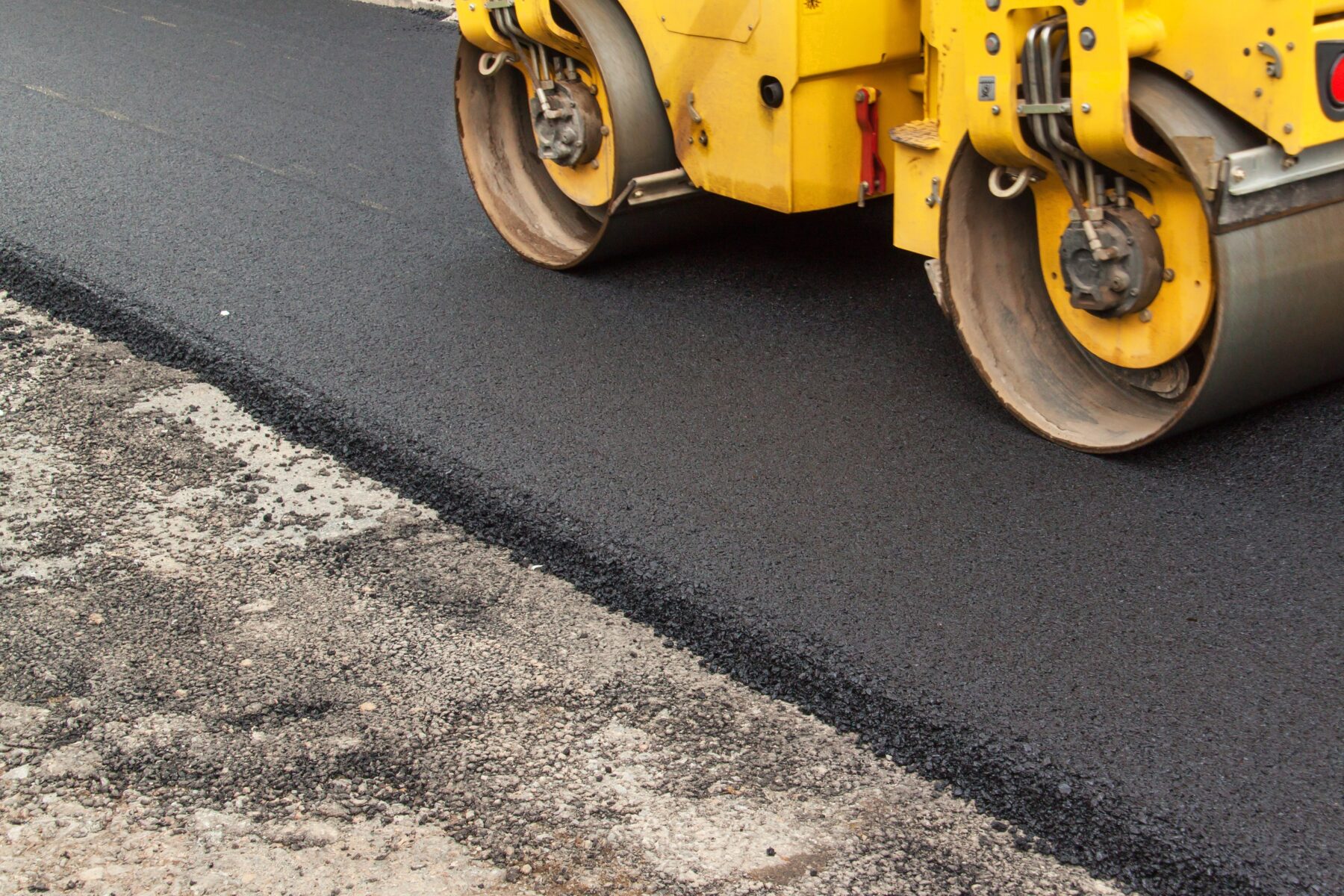
A well-built asphalt surface in the Willamette Valley can hold up for 15 to 20 years. That lifespan depends on three decisions: the mix that goes down, the base it rests on and the maintenance that follows. A climate this wet punishes each one when it is handled poorly, and rewards each one when it is handled right.
- How Does Mix Design Affect How Long Asphalt Lasts?
Mix design carries the first line of defense against a region that sees rain most months of the year. The right mix resists moisture, compacts fully in cooler weather and suits the traffic load the surface will carry.
Two mix types cover most Willamette Valley work. Hot-mix asphalt suits dry summer paving windows, laid and compacted at higher temperatures. Warm-mix asphalt compacts at a lower production temperature, which extends the paving season into cooler, wetter shoulder months without giving up density at the roller. RiverBend Materials produces both from its Eugene and Salem plants, so the mix can match the paving window instead of forcing one blend across every condition.
Binder selection matters just as much. A mix chosen only for temperature range strips faster than one built to resist water, because moisture works between the binder film and the aggregate surface and breaks that bond over time. Adjusting binder content and aggregate gradation to the specific job, rather than defaulting to one recipe, keeps a surface intact through repeated wet seasons. RiverBend builds custom mix designs to Oregon Department of Transportation specifications for highway work, so the blend fits the project rather than a general standard.
- Why Does Base Preparation Determine Asphalt Service Life?
The base under the mat keeps asphalt in place under load. A soft or saturated layer below undoes even a well-designed surface above it, so base work carries more weight here than in a drier region.
Willamette Valley soils hold moisture longer than sandy, free-draining ground. That makes aggregate depth and compaction more critical, since the base must stay stable through winter after winter of saturation and drainage. A typical base under valley asphalt runs 4 to 8 inches of crushed rock, depending on the traffic the surface will carry. RiverBend sources that material from its own six sand and gravel operations and two hard rock quarries across the valley, so the rock delivered matches the gradation a specific subgrade calls for.
Compaction locks that aggregate into a stable platform that spreads wheel loads evenly across the surface above. Thin lifts or under-compacted material leave voids, and those voids collect water every time the ground saturates through a wet winter. That trapped moisture produces depressions and alligator cracking in an otherwise sound surface a year or two later. Getting the base right before paving day is the only reliable way to keep those failures from appearing.
- How Does Maintenance Extend Asphalt Service Life?
Maintenance timing decides how much of that built-in service life the surface actually delivers. Even a sound mix on a solid base loses ground without upkeep scheduled around the valley’s real weather pattern.
The region gets roughly 40 inches of rain a year, most of it between fall and spring, followed by a dry summer that gives crews a reliable window for sealcoating and crack sealing. Sealing hairline cracks during that dry stretch keeps water out of the mat through the wet months that follow. That is the main way asphalt loses structural life in this climate.
A crack left open through one wet season rarely fails a surface on its own. The cost stays hidden until it compounds. A crack under about a quarter inch wide closes cleanly with a thin bead of sealant during the dry season. Left open through a second wet season, that same crack has usually let enough water into the base to need a full patch instead of a simple seal. Following a consistent inspection and sealing schedule is what separates a lot resurfaced once a decade from one redone every few years. RiverBend’s maintenance guidance for commercial asphalt lays out the inspection and sealing timeline that keeps a surface ahead of that curve.
What Makes Asphalt Last Longer in the Willamette Valley?
The three factors do not operate separately. A strong base supports the mix above it. A moisture-resistant mix outlasts a generic one. A maintenance schedule tuned to the dry season protects the work already done below. Let any one fall short, and the others pay for it early.
Asphalt built on a sound base with the right mix and kept on a sealing schedule typically reaches 15 to 20 years of service in the Willamette Valley, stretching toward the higher end when maintenance stays consistent. Matching the mix and base to the site before the first truck arrives, then locking in a sealing plan before the next wet season, is how that range stays within reach.
RiverBend Materials supplies hot-mix and warm-mix asphalt, aggregate base material and paving support across the Eugene and Salem corridor. Request a quote to match a mix design and maintenance plan to a specific site before paving season opens.
Frequently Asked Questions
How long does asphalt last in the Willamette Valley?
Asphalt built on a sound base with the right mix typically lasts 15 to 20 years in the Willamette Valley. Surfaces reach the higher end of that range when crack sealing and sealcoating stay on a consistent dry-season schedule.
What is the difference between hot-mix and warm-mix asphalt?
Hot-mix asphalt is produced and compacted at higher temperatures and suits dry summer paving. Warm-mix asphalt compacts at a lower production temperature, extending the paving season into cooler and wetter shoulder months without sacrificing density at the roller.
Why does base preparation matter so much for asphalt longevity?
The base spreads wheel loads and keeps moisture from collecting under the mat. Willamette Valley soils hold water longer than free-draining ground, so proper aggregate depth and compaction are what prevent depressions and alligator cracking from forming in the surface above.
When is the best time to sealcoat or crack seal asphalt in the Willamette Valley?
The dry summer window between the wet fall-to-spring months is the right time for sealcoating and crack sealing. Sealing hairline cracks during that period keeps water out of the mat through the rainy season that follows.
What happens if crack sealing gets skipped for a season?
A crack under about a quarter inch wide seals cleanly with a thin bead during the dry season. Left open through a second wet season, enough water typically reaches the base to require a full patch rather than a simple seal.
What causes asphalt to fail early in a wet climate?
Moisture is the primary cause. Water strips the binder from aggregate, collects in voids left by under-compaction and enters unsealed cracks, breaking down both the surface and base faster than traffic alone would.